
Understanding CFD Trading and Trailing Stops
CFD (Contract for Difference) trading offers traders the opportunity to leverage their positions and speculate on price movements across various financial markets without the necessity of owning the financial instruments outright. This has made CFD trading a popular alternative to traditional trading methods. To maximize profits and minimize potential losses in this arena, traders often resort to several strategic methods. One such strategy is the effective trailing of winning CFD trades, primarily through the use of trailing stops.
What are Trailing Stops?
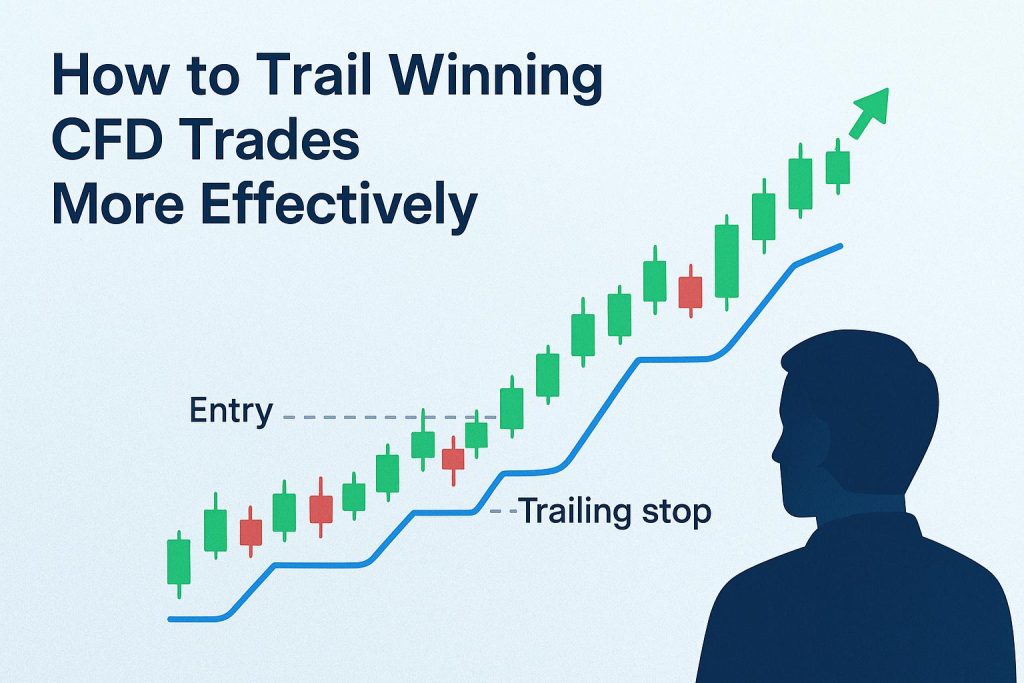
Trailing stops serve as a flexible form of stop-loss order, acting as a safeguard for traders. Unlike traditional stop-loss orders that are set at a fixed point, trailing stops adjust themselves based on the market’s movements in favor of the trader. As the market price moves favorably, the trailing stop shifts its position by a predefined distance from the current market price, thereby securing profits while still allowing the trade to capitalize on upward trends.
Advantages of Using Trailing Stops
Implementing trailing stops presents multiple advantages over traditional methods of trade management:
Automation: One of the primary benefits of trailing stops is the automation they provide. Traders do not need to constantly supervise the market as the trailing stops automatically adjust in line with price movements. This reduces the need for manual intervention and allows traders to focus on other significant aspects of their trading portfolios.
Risk Management: Risk management is a pivotal aspect of any trading strategy, and trailing stops excel in this area. By moving upward in correspondence with favorable price movements, trailing stops ensure that the trader’s downside risk is limited. Should the market reverse beyond a certain point, the trailing stop will activate, thereby safeguarding the trader’s capital.
Profit Optimization: Trailing stops are instrumental in optimizing profits by enabling traders to ride out longer trends, capturing a larger piece of the price movement without the need for frequent manual adjustments to the stop-loss level.
How to Implement Trailing Stops Effectively
For traders to harness the full potential of trailing stops, it is crucial to implement them thoughtfully and responsibly. The effectiveness of trailing stops can be significantly influenced by how they are set up.
Determine the Trailing Distance: One of the most vital aspects of setting up a trailing stop is determining the appropriate trailing distance. This decision should take into account the specific market conditions, particularly the level of volatility. High volatility markets may require wider trailing distances to avoid premature stoppage, whereas for less volatile markets, tighter trailing stops could be applicable.
Fixed Percentage: Many traders adopt the simple strategy of setting a trailing stop at a fixed percentage of the current market price. This method is easy to implement and provides a clear framework for adjusting stops in tandem with price changes.
Technical Indicators: For a more refined approach, traders might consider employing technical indicators such as moving averages or the Average True Range (ATR). These indicators provide insights into market volatility and can inform a more adaptable trailing stop mechanism, aligning the strategy with real-time market conditions.
Best Practices for Trailing Winning CFD Trades
Regular Review: The importance of regularly reviewing the setup and performance of trailing stops cannot be overstated. Market conditions tend to change, and so too should the strategies employed by traders. Regular assessments ensure that the trailing strategies remain aligned with current market conditions and the trader’s objectives.
Stay Informed: In the fast-paced world of CFD trading, remaining informed about market news and global events is crucial. These factors can have significant impacts on asset prices. With trailing stops in place, being informed ensures that traders can make necessary manual adjustments in response to sudden price movements.
Use Reliable Trading Platforms: Not all trading platforms offer the same level of support for trailing stop mechanisms, so selecting a reliable platform is important. Some platforms might provide advanced tools and features specifically designed for effective use of trailing stops, giving traders an edge in implementing this strategy.
Profitability in CFD trading hinges significantly on strategy and its execution. Using trailing stops effectively allows traders to automate decision-making processes and refine their trading strategies over time. By incorporating these strategies and adhering to best practices, traders can enhance their proficiency in trailing winning CFD trades, carving out a path toward financial success in the competitive realm of CFD trading.
Expanding beyond these fundamental strategies, traders looking to deepen their understanding and expertise might consider exploring resources offered by reputable trading firms or financial education platforms. Such resources often house comprehensive guides and tools to further improve one’s trading skills and knowledge. Always keep learning and adapting as markets evolve, and ensure trading strategies are continually honed to meet the challenges and opportunities presented by the dynamic world of financial markets.
This article was last updated on: September 25, 2026