
Understanding Momentum Trading
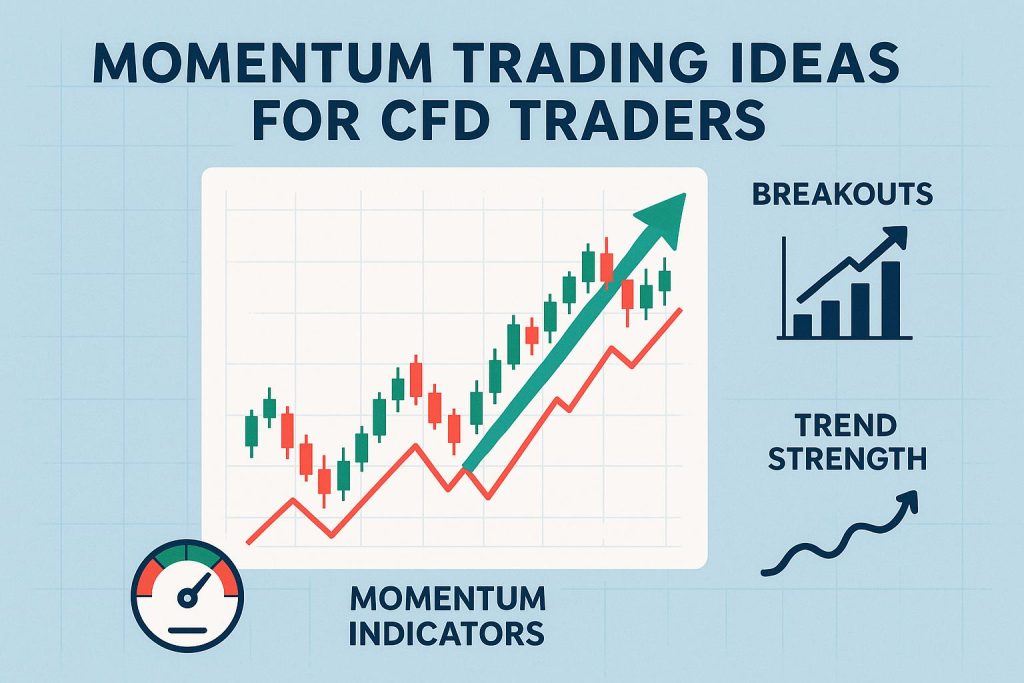
Momentum trading is a well-known strategy among traders and investors in financial markets. It focuses on the idea of following trends and capitalizing on the existing movements in asset prices. The core principle of momentum trading posits that securities which exhibit a steady upward movement are likely to continue rising, and those with a downward motion will likely keep declining. The strategy is used across various asset classes, including stocks, commodities, and forex.
Key Concepts in Momentum Trading
To employ a momentum trading strategy effectively, a grasp of certain principles and indicators is vital. These elements not only help in identifying opportunities but also in executing trades with precision.
Price Movements
In momentum trading, the central focus is on identifying the direction of price movements. Traders concentrate on securities with significant price changes, under the assumption that the current trend will persist. Observing and analyzing these price movements allows traders to decide when to enter or exit a trade efficiently.
Indicators
Various technical indicators assist traders in determining the momentum of an asset. Among the most widely used are the Relative Strength Index (RSI) and the Moving Average Convergence Divergence (MACD). The RSI is instrumental in evaluating whether an asset is overbought or oversold by considering the speed and change of price movements. Similarly, the MACD helps traders identify trends and potential reversal points by comparing different moving averages of an asset’s price.
Volume Analysis
Volume analysis plays a crucial role in momentum trading as it confirms the strength and sustainability of a trend. When an asset’s price moves with increased volume, it often indicates strong investor interest and conviction in the direction of the trend. High volume accompanying a price increase suggests robust momentum, making the trend more reliable for trading decisions.
Strategic Momentum Trading for CFD Traders
CFD (Contract for Difference) trading offers unique opportunities for employing momentum strategies, primarily due to the leverage and flexibility it entails. CFDs enable traders to speculate on price movements without the need to own the underlying securities, thus facilitating easier access to momentum trading strategies.
Breakout Strategy
The breakout strategy is a popular approach in momentum trading, involving the identification of key price levels and initiating trades when prices break through these levels. Breakouts are significant because they can herald the commencement of a new trend.
How to Apply the Breakout Strategy
To effectively utilize the breakout strategy, traders should start by identifying support and resistance levels from past price data. These levels serve as psychological barriers in the asset’s price movement. Once these are identified, traders need to closely monitor price action and volume. A breakout above a resistance level with robust volume indicates the potential onset of an upward trend, presenting an ideal entry point for traders.
Pullback Strategy
The pullback strategy in momentum trading entails entering a trade following a temporary retracement within an established upward trend. This approach allows traders to enter the market at lower prices while still trading in the direction of the prevailing momentum.
Implementing the Pullback Strategy
Executing a pullback strategy efficiently requires first recognizing the dominant trend using momentum indicators, such as the MACD or RSI. After defining the trend, traders should wait for the market to pull back to crucial technical levels, such as moving averages, before making a trade. This retracement offers a potentially advantageous entry point while maintaining a position aligned with the broader market direction.
Risk Management in Momentum Trading
While momentum trading presents lucrative opportunities, it also encompasses considerable risks, particularly in volatile market conditions. Implementing solid risk management techniques is imperative to safeguard investments and maximize profits.
Setting Stop-Loss Orders
Stop-loss orders are a vital component of risk management, enabling traders to manage potential losses by automatically closing positions at predefined price points. These orders are strategically set to protect against severe losses, especially during abrupt market reversals.
Importance of Stop-Loss Orders
The critical advantage of stop-loss orders is the provision of a systematic exit strategy, which restricts losses to an acceptable level and preserves capital for future trades. When setting stop-loss orders, it’s crucial to base them on thorough market analysis rather than arbitrary figures. This ensures the orders are placed at logical price levels, accounting for market conditions and trends.
Diversification
Incorporating diversification into momentum trading significantly aids in mitigating risk. By spreading investments over a diversified set of securities, traders can reduce exposure to the volatility of any single asset. A well-diversified portfolio helps cushion against unexpected market fluctuations and enhances overall stability.
Conclusion
Momentum trading offers numerous opportunities, especially for CFD traders, by allowing them to capitalize on market trends. By gaining a comprehensive understanding of key concepts, employing strategic trading methods, and adhering to effective risk management practices, traders can augment their chances of success. Nevertheless, given its inherent risks, momentum trading requires careful consideration, thorough analysis, and constant adaptability to market conditions. For further exploration of trading strategies, interested individuals can consult various online financial trading platforms and resources that offer deeper insights into these approaches.
This article was last updated on: July 17, 2026