
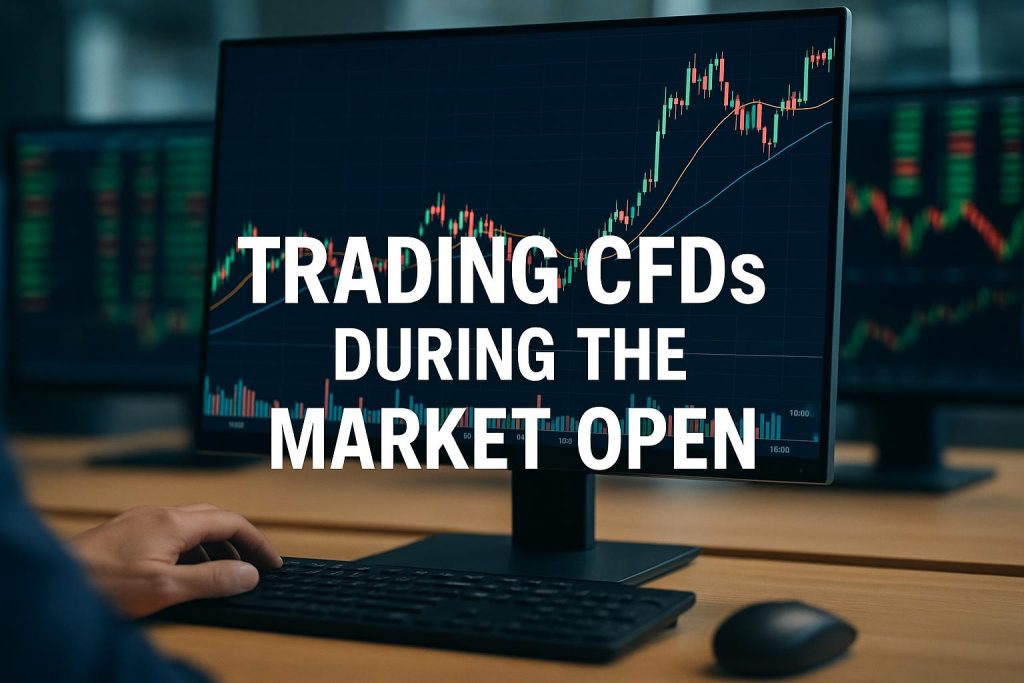
Understanding CFDs: A Brief Overview
Contracts for Difference (CFDs) are a widely used financial instrument, providing traders with the opportunity to speculate on the price movements of various assets without the necessity of owning them physically. Engaging in CFD trading involves entering into a contract with a broker, in which you agree to exchange the difference between the opening and closing prices of a particular asset. This financial derivative has gained popularity due to its flexibility and the range of markets it covers. Below, we will delve deeper into the intricacies of CFD trading, its advantages, and some strategies to consider during market open times.
Advantages of CFD Trading
CFD trading offers numerous advantages that make it attractive to traders of all levels. Perhaps one of the most significant benefits is the ability to go long or short. This means traders can potentially profit from both rising and falling markets, offering flexibility that is not always available with traditional trading methods.
Another key advantage is the access CFDs provide to a wide array of global markets. Traders can engage with foreign exchange, indices, commodities, and even cryptocurrencies, all from a single trading platform. This broad access allows for diversification and a range of different strategies to be employed.
Leverage is also a notable feature of CFD trading. By using leverage, traders can control a larger position with a relatively small amount of capital. While this magnifies potential profits, it equally enlarges possible losses. It is vital for traders to fully understand the concept of leverage and the inherent risks associated with it. Details of leverage are usually provided by brokers and may vary from one to another, depending on the regulatory environment or other market conditions.
Timings: Trading CFDs During Market Open
Trading CFDs during market open presents distinct opportunities and challenges. The opening period of the market is a time of heightened activity and can be characterized by increased volatility, which leads to significant price movements.
Increased Liquidity
Upon market open, liquidity is typically higher compared to other times of the trading day. This abundance of liquidity generally facilitates more seamless and rapid execution of trades, allowing traders to capitalize on early market movements. However, the increased trading volume can also result in whipsaw actions. This complex phenomenon may pose a challenge to traders attempting to manage their positions with precision.
Volatility and Opportunities
The volatile conditions present at market open create an attractive environment for CFD traders eager to take advantage of sudden price shifts. To navigate these volatile times successfully, traders should be ever vigilant, employing sound risk management strategies such as setting stop-loss orders and maintaining a close watch on market news and developments.
Potential Challenges
Despite these opportunities, the market open also harbors unique challenges. Price gaps, for instance, may occur where the opening price of a market differs substantially from its previous close. This can lead to unexpected losses if not anticipated properly. Furthermore, traders may encounter slippage, where executed orders fill at prices different from their expectations. Proper risk management is essential to navigate these challenges.
Strategies for Trading During Market Open
Crafting effective CFD trading strategies during market open times often requires a solid foundation in technical analysis and a keen understanding of prevailing market trends. Traders may rely on various indicators, such as moving averages or momentum oscillators, to inform their trading decisions and anticipate market movements.
The importance of a well-defined trading plan cannot be understated when dealing with the complexities of volatile markets. A disciplined approach to trading, aligned with a strategic plan, aids traders in keeping emotions in check and staying focused on their objectives.
News Influence
Economic announcements and news can frequently coincide with the market open, influencing asset prices significantly. Traders must be alert to scheduled news events, as they can induce further volatility and present both risks and opportunities. Utilizing resources like a forex calendar is advised to stay informed of upcoming economic events and their potential impact on the market.
Utilizing Technology
Technological advancements have been a boon for trading efficacy. Modern trading platforms are equipped with cutting-edge tools to analyze markets and execute trades efficiently. Features such as real-time charts, analytics, and robust risk management options are invaluable when trading CFDs, particularly during volatile market open periods.
Conclusion
Trading CFDs during market open times presents unique opportunities for traders willing to engage with the increased activity and volatility. To succeed, one must thoroughly understand market dynamics, utilize technology effectively, and implement stringent risk management practices. By remaining well-informed and disciplined, traders can potentially take advantage of the specific opportunities that the market open presents, navigating the complexities of CFD trading with greater confidence and skill.
This article was last updated on: May 15, 2026